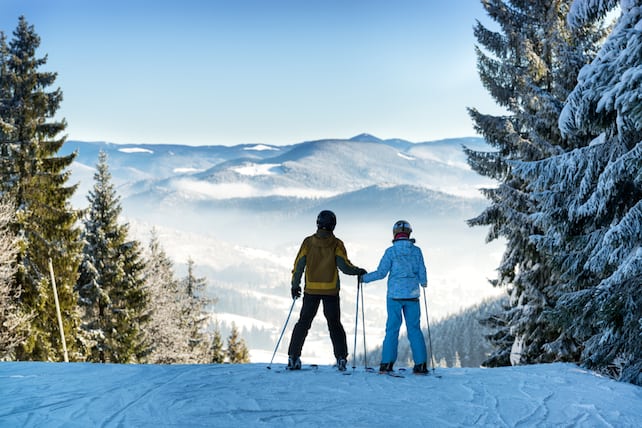
When winter arrives, the world transforms into a pristine playground for outdoor enthusiasts. For those who find their paradise on snow-covered peaks, choosing the right destination is the difference between a standard vacation and an unforgettable alpine journey. The ideal ski resort combines diverse terrain, dependable snowfall, state-of-the-art lift infrastructure, and a vibrant mountain village culture. From the legendary powder fields of North America to the dramatic, jagged peaks of the European Alps, certain destinations consistently stand out for their exceptional winter offerings.
Whistler Blackcomb, Canada
Whistler Blackcomb holds a legendary status among winter sports enthusiasts. Situated in the Coast Mountains of British Columbia, this massive resort spans two distinct mountains connected by the record-breaking Peak 2 Peak Gondola. Together, they provide the largest skiable acreage in North America, making it a bucket-list destination for skiers and snowboarders worldwide.
-
Terrain Variety: With over 8,000 acres of skiable terrain, the resort caters to every skill level. Beginners can enjoy long, gentle cruisers like Green Line, while advanced skiers can challenge themselves in high-alpine bowls, steep couloirs, and dense tree glades.
-
Snow Reliability: The coastal location ensures an impressive average annual snowfall of nearly 40 feet. This deep snowpack creates excellent conditions that often extend the ski season well into late spring.
-
The Village Experience: Whistler Village is a pedestrian-only hub filled with upscale restaurants, casual pubs, boutique shops, and lodging options that range from cozy condos to five-star luxury resorts. The après-ski scene here is electric, offering plenty of entertainment options after the lifts stop running.
Chamonix-Mont-Blanc, France
For those who crave dramatic scenery and steep, challenging terrain, Chamonix is the ultimate destination. Located at the base of Mont Blanc, the highest peak in Western Europe, this historic valley is widely considered the birthplace of extreme winter sports.
-
High-Alpine Adventure: Chamonix is not a single interconnected resort but rather a collection of distinct ski areas spread across the valley. Grands Montets offers steep pistes and incredible off-piste powder, while Brévent-Flégère provides sun-drenched slopes with breathtaking views of the Mont Blanc massif.
-
The Vallée Blanche: This world-famous off-piste run is a major draw for expert winter lovers. Guided groups descend over 12 miles of glacial terrain, navigating crevasses and ice formations surrounded by towering granite peaks.
-
Mountain Heritage: The town of Chamonix blends traditional Alpine charm with a cosmopolitan atmosphere. Cobblestone streets are lined with historic buildings, mountaineering shops, and exceptional French restaurants serving hearty regional dishes like fondue and raclette.
Aspen Snowmass, Colorado
Aspen is synonymous with winter luxury, but beneath its glamorous exterior lies some of the finest skiing in the United States. Located in the Roaring Fork Valley of Colorado, Aspen Snowmass consists of four distinct mountain areas accessible on a single lift ticket: Aspen Mountain, Snowmass, Aspen Highlands, and Buttermilk.
-
Four Mountains, One Destination: Snowmass is a massive, family-friendly mountain featuring wide-open cruisers and excellent ski-in, ski-out lodging. Aspen Mountain rises directly above the downtown area, offering steep bumps and quad-burning groomed runs. Aspen Highlands is famous for the Highland Bowl, where dedicated skiers hike to the summit to score deep powder turns, while Buttermilk serves as a gentle learning ground and the host of the Winter X Games.
-
Perfect Colorado Powder: The resort benefits from light, dry Rocky Mountain snow. The high altitude keeps the snow cold and crisp, providing excellent surface conditions throughout the winter months.
-
Culture and Nightlife: The historic town of Aspen, a former silver mining camp, features beautifully preserved Victorian architecture. It boasts a thriving arts scene, world-class dining, and an après-ski culture that ranges from upscale champagne bars to historic mountain saloons.
Zermatt, Switzerland
Zermatt is the quintessential Swiss winter wonderland. Nestled in a deep valley surrounded by some of the highest peaks in the Alps, this car-free village is watched over by the iconic, pyramid-shaped Matterhorn. It offers a majestic setting that captivates winter lovers from the moment they arrive via mountain railway.
-
International Skiing: Zermatt is linked with the Italian resort of Cervinia, allowing skiers to cross the international border on the mountain. The combined Matterhorn Ski Paradise offers over 220 miles of groomed pistes, making it one of the largest ski networks in Europe.
-
High-Altitude Glacier Glades: Due to the extreme altitude of the Klein Matterhorn glacier, Zermatt offers year-round skiing. In the winter, this ensures exceptionally long ski runs and guaranteed snow cover from top to bottom.
-
Alpine Gastronomy: Zermatt is renowned for its mountain restaurants. Scattered across the slopes are historic wooden chalets serving gourmet cuisine, where skiers can pause for a leisurely lunch on a sun terrace while taking in views of the Matterhorn.
Niseko, Japan
For winter lovers who prioritize the quality of snow above all else, Niseko is an unparalleled paradise. Located on the northern island of Hokkaido, Niseko is globally famous for receiving consistent, massive amounts of ultra-light, dry powder snow, often referred to as ocean powder.
-
-
The Powder Factory: Siberian winds blowing across the cold Sea of Japan pick up moisture and deposit it as relentless snowfall onto Hokkaido’s volcanic peaks. Niseko receives an astonishing average of over 50 feet of snow each winter, ensuring fresh powder almost every single day.
-
Night Skiing and Tree Runs: Unlike many resorts where tree skiing is restricted, Niseko embraces off-piste exploration through designated gate systems. Additionally, the resort features extensive night skiing, where powerful floodlights illuminate the powder-filled forests long after sunset.
-
Cultural Fusion: After a day in the cold powder, visitors can soak in traditional Japanese hot springs, known as onsens. The local dining scene is a major highlight, offering fresh Hokkaido seafood, hot bowls of ramen, and Japanese whiskey alongside international culinary options.
-
Vail, Colorado
Vail is one of the largest and most successful ski resorts in the United States. Designed in the style of a Bavarian village, this massive Colorado resort stretches across a massive mountain ridge, offering an incredibly diverse and well-organized skiing experience.
-
The Legendary Back Bowls: Vail is defined by its seven Back Bowls. Spanning over 3,000 acres, these wide-open, treeless bowls offer an expansive powder experience during winter storms. On bluebird days, they provide some of the most scenic and exhilarating skiing in North America.
-
Front Side Cruising: The front side of the mountain features an endless network of perfectly manicured, wide trails that are ideal for intermediate skiers who love carving turns at high speeds.
-
Pedestrian Villages: Vail Village and Lionshead Village are completely pedestrianized, featuring heated cobblestone walkways, luxury hotels, outdoor ice rinks, and a vast selection of shops and restaurants. The seamless infrastructure makes navigating the resort incredibly easy and comfortable.
Frequently Asked Questions
What is the difference between a ski-in, ski-out accommodation and standard resort lodging?
Ski-in, ski-out accommodation allows guests to access the ski slopes directly from the property without using cars, shuttles, or walking long distances carrying heavy gear. You can strap on your skis at the doorstep and slide right to the lifts, and at the end of the day, ski directly back to the property. Standard resort lodging requires a short walk, a drive, or a ride on a resort shuttle bus to reach the base area.
How does the European ski experience differ from the North American ski experience?
European ski resorts are generally built around historic, existing mountain villages and feature massive, interconnected valley networks where you can travel between different towns on skis. Mountain restaurants are often independently owned historic chalets emphasizing leisurely sit-down meals. North American resorts are typically purpose-built around a central base village, focus heavily on structured customer service, and feature inbound boundary lines where all terrain within the resort gates is patrolled and cleared for avalanche safety.
What are the advantages of choosing a car-free ski resort for a winter vacation?
Car-free resorts like Zermatt or tourist villages like Whistler enhance the winter atmosphere by eliminating traffic noise, exhaust fumes, and safety concerns with moving vehicles on icy roads. It creates a peaceful, pedestrian-friendly environment where visitors can safely walk to restaurants, shops, and ski lifts. Transportation within these villages is typically handled by electric taxis, horse-drawn sleighs, or comprehensive gondola systems.
What steps should flatland travelers take to prevent altitude sickness at high resorts?
To minimize the impact of high altitude at resorts like Aspen or Vail, travelers should stay well-hydrated by drinking plenty of water and limiting alcohol consumption during the first few days. It is helpful to spend a night at a lower elevation before heading up to the resort, avoid intense physical exertion on day one, and consume meals rich in carbohydrates. If symptoms like headaches or dizziness persist, local pharmacies and hotels often supply supplemental oxygen canisters.
Why is travel insurance specifically important for a mountain ski vacation?
Winter sports carry inherent physical risks, and mountain weather can be highly unpredictable. A specialized winter travel insurance policy covers expensive medical evacuations from remote mountain terrain, emergency medical treatments, and trip cancellations due to severe weather closures or lift shutdowns. It can also reimburse travelers for lost, stolen, or damaged ski equipment and prepaid lift tickets that go unused due to injury.
What is the purpose of a multi-resort season pass and how does it benefit destination skiers?
Multi-resort passes, such as the Epic Pass or Ikon Pass, allow holders to access dozens of different ski resorts worldwide under a single upfront payment. For destination skiers planning to take multiple winter trips or spend a week at a major resort, these passes often pay for themselves in just four to five days of skiing compared to buying individual daily lift tickets at the ticket window.