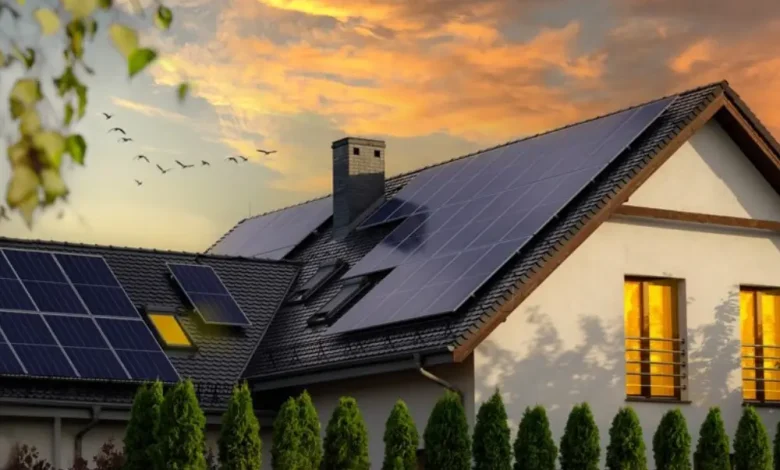
Transitioning to solar energy is a major milestone for homeowners looking to reduce their carbon footprint and slash utility bills. The long-term financial benefits of clean energy are undeniable, and modern solar technology has become highly efficient. However, rooftop solar arrays do not exist in a vacuum. They must be physically anchored to the exterior of your house, which directly brings your roof into the equation.
A roof is your home primary shield against rain, wind, hail, and extreme temperatures. Because replacing a roof is a substantial capital expense, most homeowners heavily rely on the protection offered by their existing roof warranty. When a solar installation crew arrives with heavy equipment and begins drilling mounting hardware directly through your shingles, it creates an important legal and structural intersection. Understanding how solar installations affect your roofing coverage is vital to protecting your investment on both sides of the asset line.
The Anatomy of a Roof Warranty
To understand how solar integration changes your coverage, you must first separate a standard roof warranty into its two primary components. Roofing protection is rarely a single blanket policy; rather, it is split between the company that manufactured the raw physical materials and the contractor who installed them.
The Manufacturer Material Warranty
This warranty is provided directly by the roofing material manufacturer, covering defects in the shingles, tiles, or metal panels themselves. If your asphalt shingles begin to prematurely shed their protective granules, crack apart under normal sun exposure, or curl up within a few years of installation, the manufacturer will cover the cost of replacement materials. These warranties are usually long-term, frequently spanning twenty to fifty years.
The Contractor Workmanship Warranty
This coverage is provided locally by the specific roofing company that put the roof on your house. It covers errors in the physical installation process. If the roof leaks because a worker improperly ran the flashing around a chimney, failed to nail a shingle correctly, or omitted underlayment protection, the contractor is legally obligated to repair the damage. Workmanship warranties vary wildly in duration, typically ranging from two to ten years.
How Solar Racking Alters the Equation
Standard residential solar installations rely on a racking system. Workers locate the internal wooden rafters of your roof, drill holes through the shingles and underlayment, and insert heavy-metal lag bolts deep into the wood. Metal brackets, or standoffs, are then attached to these bolts, which support the long aluminum rails that hold the photovoltaic panels in place.
Every hole drilled into your roof represents a potential vulnerability where water could find a path inside your home. Because of this deliberate alteration to the roofing surface, your original roof manufacturer and roofing contractor will adjust their liability risks.
The Impact on the Manufacturer Material Warranty
A common misconception is that installing solar panels instantly and entirely voids your whole manufacturer roof warranty. Fortunately, this is rarely the case. Roofing manufacturers cannot legally void an entire material warranty simply because an aftermarket modification was made, thanks to consumer protection frameworks.
Instead, the manufacturer will void coverage for the specific sections of the roof that were altered or damaged by the solar installation process. For example, if a shingle under a solar array splits because an installer dropped a heavy tool on it, or if water seeps in around an improperly sealed mounting bracket, the manufacturer will deny any warranty claim for those specific areas. However, if the shingles on a completely un-panelled section of your roof begin to fail due to a clear factory manufacturing defect, your original manufacturer warranty remains completely intact.
The Impact on the Contractor Workmanship Warranty
While the material warranty is relatively resilient, your contractor workmanship warranty is incredibly vulnerable. Roofing contractors are highly protective of their liability. If an external third party walks onto a roof they installed, drives penetrations through the structure, and alters the water-shedding system, the original roofer will almost certainly declare their workmanship warranty void.
If a leak develops after solar installation, a classic finger-pointing dilemma frequently ensues. The roofer will blame the solar installation crew for compromising the structural integrity of the barrier. The solar company will counter by arguing that the roof was already failing due to sub-par initial installation techniques. To avoid being caught in the middle of this expensive legal grey area, homeowners must proactively manage the paperwork and installation processes before work ever begins.
Essential Protection Strategies for Homeowners
Navigating the intersection of roofing and solar warranties requires a proactive approach. You can preserve maximum protection on your home by taking a few deliberate steps during the planning phase of your green energy transition.
-
Assess the Current Age of Your Roof: Solar panels are exceptionally durable, routinely lasting for twenty-five to thirty years. If your existing roof is already more than ten or fifteen years old, it is highly practical to replace the roof before installing solar. Removing an active solar array to replace a failed roof down the road can cost thousands of dollars in labor fees alone.
-
Hire a Certified Solar Installer: Look for solar organizations that employ installation crews with certified roofing credentials, or companies that partner directly with local licensed roofers. Some high-end solar companies can issue an independent workmanship warranty that specifically covers any roof penetrations they create, typically matching the duration of your solar equipment lifespan.
-
Review Homeowners Insurance Policies: Contact your insurance agent to officially notify them of the upcoming solar installation. Many comprehensive homeowners policies treat rooftop solar as a permanent home attachment, meaning structural damage caused by natural disasters like windstorms or fallen trees can be covered under your main dwelling policy rather than relying on a commercial warranty.
Frequently Asked Questions
Will my original roofing contractor honor their warranty if I use ballasted solar mounts instead of drilled racking?
Ballasted solar mounts utilize heavy concrete blocks to hold solar arrays in place using gravity, completely eliminating the need to drill holes into the building. While this prevents penetration damage, ballasted systems add significant static weight to a house. Many roofing contractors will still void their workmanship warranty because the excessive weight can compress insulation, strain structural rafters, or trap pooling water along the roof membrane.
What is a roof penetration warranty and who is responsible for providing it?
A roof penetration warranty is a specialized guarantee provided directly by the solar installation company. It ensures that any physical holes drilled into your home during the solar racking process will remain completely watertight for a set period, usually ten to twenty-five years. This warranty acts as a bridge, stepping in to cover water damage in the specific areas where your original roofer has officially denied coverage.
What happens to my solar panel warranty if my roof fails and needs a complete replacement?
A roof replacement will not void your actual solar panel performance or equipment warranty, but it will create substantial secondary labor expenses. The solar panels and racking hardware must be entirely uninstalled, safely stored, and reinstalled after the new roof is complete. Because this labor is not covered by either the roof manufacturer or the solar equipment manufacturer, the homeowner must pay out of pocket unless the roof damage was caused by a covered insurance event.
Can a solar company install panels on a roof that currently has multiple layers of shingles?
Most reputable solar organizations will refuse to install a solar array on a roof that has more than one layer of shingles. Multiple shingle layers make it incredibly difficult to accurately locate the center of structural rafters for securing mounting bolts. Additionally, double shingle layers add significant weight to the house, and mounting solar on top of them can trap excessive heat, drastically accelerating the decay of the underlying roofing materials.
Does the installation of flashing sleeves completely protect my roof manufacturer warranty?
Utilizing high-quality metal flashing sleeves around every single mounting bracket is an industry best practice that minimizes leak risks, but it does not guarantee protection for your manufacturer warranty. If a leak occurs due to an installer tearing the surrounding underlayment during the flashing process, the manufacturer will still deny the claim. The flashing ensures physical water protection, but the solar company remains liable for the workmanship of that installation.
Are there specific roofing materials that are safer for preserving original warranties during solar installation?
Standing seam metal roofs are arguably the best option for preserving your original roof warranties. Solar racking systems can clamp directly onto the raised metal seams of these roofs without drilling a single hole through the metal panel itself. Because there are zero penetrations, the original roof manufacturer material warranty and the contractor workmanship warranty typically remain fully intact and unaffected.