Prehab Over Rehab: The Strategic Role of Reformer Pilates in Injury Prevention for Singapore’s Runners and Cyclists

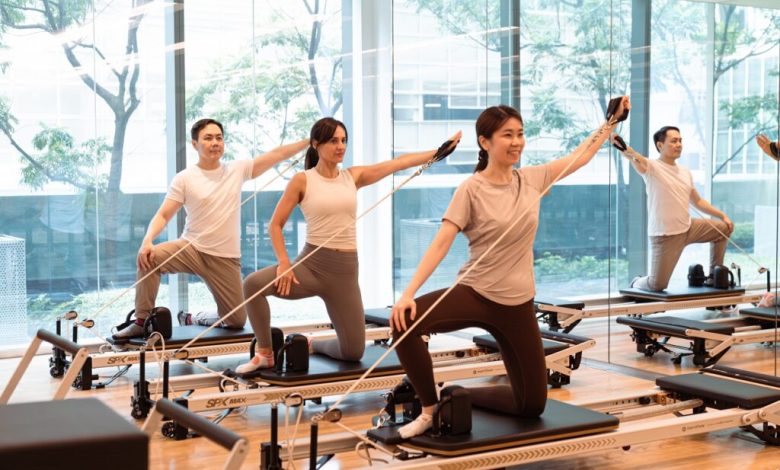
In Singapore’s fitness culture, running and cycling have become two of the most popular forms of exercise. From park connectors to weekend cycling routes, the city buzzes with activity. Yet behind this enthusiasm lies a growing trend: repetitive strain injuries. Tight hips, knee pain, and lower back discomfort are common complaints among endurance athletes. While many wait until pain strikes to seek treatment, the smarter approach is prevention. That is where reformer pilates Singapore comes in — offering a science-based method to balance the body, strengthen stabilising muscles, and reduce the risk of injury before it begins.
The Reality of Overuse Injuries in Singapore’s Fitness Scene
Recreational athletes in Singapore often juggle demanding work hours with intensive training schedules. This combination leads to overuse injuries that stem from muscle imbalances, poor posture, and insufficient recovery. Common conditions include:
-
Iliotibial (IT) band syndrome
-
Achilles tendinopathy
-
Lower back strain
-
Tight hip flexors and hamstrings
-
Knee pain from misalignment or overtraining
While foam rolling and stretching help temporarily, they don’t correct the root causes. Reformer Pilates, on the other hand, trains the body to move efficiently through balance, symmetry, and proper muscle engagement.
Prehab vs Rehab: A Smarter Strategy
“Prehab” refers to proactive conditioning that prevents injuries by addressing weak links before they fail. Unlike rehabilitation, which focuses on recovery after an injury, prehab builds the foundation for safe and effective movement. Reformer Pilates embodies this philosophy perfectly.
The Reformer machine’s spring resistance challenges stability, coordination, and alignment in ways that mimic real-world movement patterns. By reinforcing control and balance, it prepares athletes’ bodies to handle repetitive strain without breaking down.
In essence, prehab through Reformer Pilates saves time, money, and frustration — allowing athletes to train consistently without being sidelined.
Understanding the Biomechanical Imbalances of Runners and Cyclists
Both runners and cyclists rely heavily on the lower body, but their repetitive motion often strengthens some muscles while neglecting others. This creates muscular asymmetry, leading to inefficient movement and potential injury.
For runners:
-
Overactive hip flexors and calves
-
Underactive glutes and hamstrings
-
Limited thoracic rotation
-
Weak deep core stabilisers
For cyclists:
-
Tight quadriceps and hip flexors from sustained seated posture
-
Weak glutes and spinal extensors
-
Rounded shoulders from leaning over handlebars
-
Compressed lower back due to limited core engagement
Reformer Pilates corrects these imbalances through targeted, multidirectional exercises that lengthen tight muscles and strengthen underused ones. Over time, athletes achieve more balanced power output, better endurance, and reduced injury risk.
The Reformer Advantage: Precision and Control
Unlike traditional strength training, which can overload certain muscle groups, Reformer Pilates builds stability and strength through controlled resistance. Each movement requires mindfulness, activating smaller stabilising muscles that protect joints and improve coordination.
Key advantages include:
-
Joint protection: Resistance is adjustable, minimising impact stress.
-
Functional strength: Exercises integrate core, hips, and shoulders for movement efficiency.
-
Postural correction: The Reformer promotes spinal alignment and proper muscle sequencing.
-
Enhanced proprioception: Athletes become more aware of body position, improving form during sports.
This combination makes it one of the most effective prehab tools for endurance athletes.
Core Strength and Pelvic Stability: The Hidden Foundation
Every efficient stride or pedal stroke starts with a stable core. Weakness in the deep abdominal and pelvic stabilisers causes compensations in the hips and knees, leading to fatigue or pain.
Reformer Pilates strengthens the transverse abdominis, obliques, and pelvic floor through precise, controlled movements. Exercises such as the “Hundred,” “Footwork,” and “Leg Circles” challenge the core under dynamic conditions similar to running or cycling. This not only improves performance but also protects against common overuse injuries like runner’s knee and lower back pain.
Enhancing Mobility and Flexibility for Efficient Movement
Mobility is often misunderstood as flexibility. While flexibility refers to muscle length, mobility describes how well joints move through a full range of motion. For runners and cyclists, tight hips, hamstrings, and shoulders restrict movement and strain surrounding joints.
Reformer Pilates integrates both strength and stretch, teaching muscles to work through extended ranges. The flowing transitions between exercises promote fluidity, helping athletes achieve smoother, more efficient motion. Improved mobility also enhances stride length, pedalling cadence, and overall mechanical efficiency.
Breathwork and Mindful Movement
Breath control plays a critical role in both endurance sports and Pilates. On the Reformer, coordinated breathing enhances movement control, supports the core, and improves oxygen flow. This carries over to endurance training, where efficient breathing delays fatigue and improves focus.
The mindful nature of Pilates also builds mental discipline. Athletes learn to connect breath, movement, and concentration — a combination that sharpens body awareness and prevents careless form errors that often lead to injuries.
Practical Integration: Reformer Pilates for Runners and Cyclists
Incorporating Reformer Pilates into a training plan doesn’t require overhauling your schedule. One or two sessions per week can dramatically improve performance and resilience.
Sample prehab focus areas:
-
For runners:
-
Footwork for ankle stability
-
Side-lying leg series for hip strength
-
Short spine stretch for spinal mobility
-
Arm work for shoulder alignment
-
-
For cyclists:
-
Hip extension and glute activation
-
Thoracic rotation for improved posture
-
Chest expansion to counter rounded shoulders
-
Hamstring lengthening for smoother pedalling
-
These sessions complement endurance training by reinforcing balance and posture rather than adding fatigue.
Case Study: A Singapore Runner’s Perspective
Consider a 38-year-old recreational runner who logged 40 kilometres weekly and began experiencing knee pain during half-marathon preparation. After incorporating Reformer Pilates twice a week for three months, her gait improved, and pain subsided. By strengthening her glutes and core, her stride became more efficient, and she completed her next race without discomfort.
Stories like these are increasingly common in Singapore, as more athletes realise that Reformer Pilates isn’t a luxury — it’s a strategic component of long-term performance.
Why Prehab Is the Future of Fitness Longevity
The concept of waiting for injury before seeking help is outdated. Athletes today understand that prevention is more valuable than cure. Reformer Pilates serves as a long-term insurance policy for the body, keeping joints strong, muscles balanced, and movements precise.
It aligns perfectly with Singapore’s growing emphasis on sustainable fitness — promoting health that supports active lifestyles rather than jeopardising them.
Choosing a Studio That Understands Athletes
Selecting the right studio is essential. Look for instructors who understand biomechanics, athletic performance, and injury prevention. They should offer tailored sessions for runners and cyclists that target sport-specific weaknesses.
Studios such as Yoga Edition provide programmes focused on alignment, stability, and recovery, helping athletes maintain long-term mobility and strength.
FAQs
Q1: Can Reformer Pilates replace strength training for athletes?
Not entirely, but it complements it perfectly. While gym training builds large muscle strength, Reformer Pilates refines coordination, balance, and core stability — critical for performance longevity.
Q2: How often should runners or cyclists do Reformer Pilates?
Two sessions per week are ideal for noticeable improvements in strength and posture. Even one session a week can enhance recovery and flexibility.
Q3: Is Reformer Pilates suitable during injury recovery?
Yes, provided it’s guided by a certified instructor familiar with rehabilitation. It’s often recommended to restore mobility and strength safely after an injury.
Q4: Will it improve running speed or cycling power?
Indirectly, yes. Better posture, core engagement, and joint alignment enhance mechanical efficiency, allowing smoother, stronger movements with less wasted energy.
Q5: What should athletes expect after consistent practice?
Improved movement economy, reduced soreness, faster recovery, and fewer injuries. Most athletes report a noticeable difference within 6 to 8 weeks.
For Singapore’s runners and cyclists, Reformer Pilates isn’t just another workout. It’s a long-term investment in resilience and balance — a form of prehab that empowers athletes to move efficiently, train smarter, and stay injury-free for years to come.