Introduction
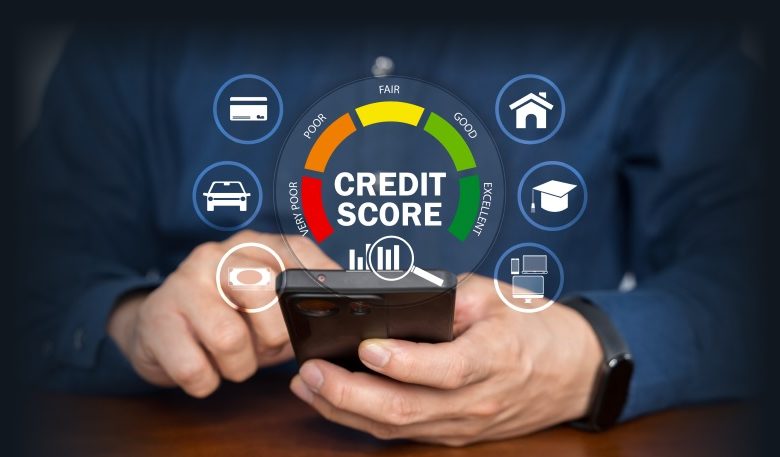
A low credit score can affect your ability to get a personal loan because lenders rely heavily on credit behaviour to assess repayment risk. A strong score signals discipline, while a low score may indicate missed payments, high debt levels or inconsistent credit usage. However, having a low score does not always mean you cannot get a personal loan. It simply means the process may require more preparation, additional checks or alternate options. This guide explains how a low credit score affects eligibility and what you can do if your score is not ideal.
How a Low Credit Score Impacts Personal Loan Approval
Your credit score is one of the most important indicators lenders use to judge how responsibly you have handled credit in the past. A low score makes lenders cautious for several reasons.
- Higher perceived repayment risk
A low score often reflects late EMIs, missed payments or high outstanding balances. Lenders treat these signs as potential risks. They might either reduce the loan amount or decline the application altogether. - Limited access to favourable terms
Even if the loan is approved, applicants with a low score may not receive the same flexibility as those with strong scores. Loan terms may be stricter because lenders want to safeguard against repayment challenges. - Impact of recent defaults or settled accounts
If your credit report shows recent defaults, loan settlements or unpaid dues, lenders may believe that you struggle to manage credit. This reduces approval chances significantly. - Short credit history
Sometimes the issue is not mismanagement but insufficient history. If the score is low because the credit history is limited, lenders still find it difficult to evaluate repayment behaviour. - Multiple credit inquiries
If you apply for several loans within a short period, it may reduce your score. Lenders view too many inquiries as a sign of financial stress.
Can You Still Get a Personal Loan with a Low Credit Score?
Yes, it is still possible, but it requires additional steps and stronger financial presentation. Lenders may approve such applications under certain conditions.
- Show strong and steady income
A stable monthly income improves your chances even with a low score. Lenders focus on your repayment capacity, so consistent earnings help build confidence. - Choose a smaller loan amount
Requesting a conservative loan amount aligned with your income increases your approval chances. A lower EMI reduces repayment risk. - Opt for a longer tenure
A longer tenure reduces your monthly EMI, which makes repayment easier. This improves your eligibility despite a weaker score. - Add a co-applicant or guarantor
A co-applicant with a strong credit profile can significantly increase your chances. Their income and credit behaviour help offset your low score. - Demonstrate improved financial behaviour
If you have recently cleared overdue payments or reduced credit card balances, highlight these changes. Lenders may consider your improved discipline. - Provide complete and accurate documents
Clear income proof, employment details and bank statements help build trust. Accurate documentation can strengthen your application. - Avoid applying to multiple lenders
Instead of applying everywhere, choose one or two lenders whose eligibility criteria you match. Too many inquiries further reduce your score.
Steps to Improve Your Credit Score Before Applying
Even if you need the loan soon, improving your score—even slightly—can make a difference.
Pay outstanding dues
Clear credit card balances and overdue EMIs. This shows immediate improvement in repayment discipline.
Reduce credit utilisation
Try to use only a moderate part of your credit limit. Lower utilisation signals controlled credit behaviour.
Check for errors in your credit report
Sometimes incorrect entries or duplicate records affect your score. Reviewing and correcting errors helps improve eligibility.
Build a longer repayment record
If you have limited credit history, handling a small credit product responsibly for a few months can boost your score gradually.
Avoid closing old accounts
Older accounts contribute to the length of your credit history. Keeping them active helps maintain score strength.
Conclusion
Getting a personal loan with a low credit score is challenging but not impossible. Lenders evaluate multiple aspects beyond just the score, such as income stability, documentation, loan amount and recent financial behaviour. By applying for a manageable loan amount, improving financial discipline, adding a co-applicant and presenting stable income proof, you can increase your chances of approval. Strengthening your credit gradually also helps secure better loan terms in the future. With the right approach, a low score does not have to stop you from accessing the credit you need.