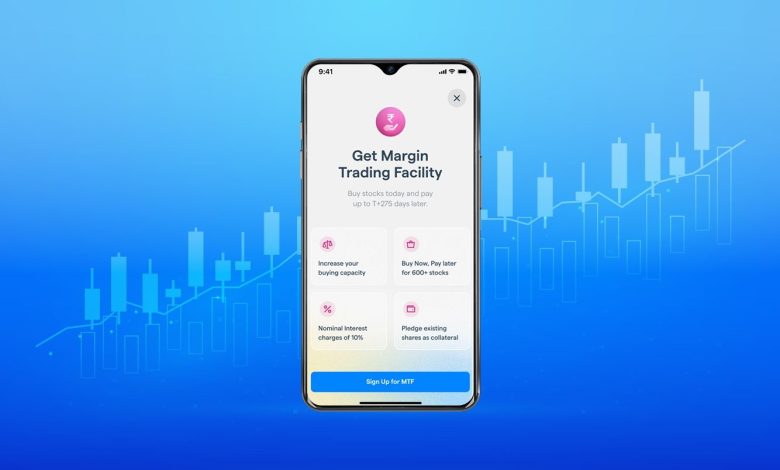
MTF fees mostly include daily interest on the borrowed amount, which is usually 12–18% per year. They also include DP transaction fees on the sell side, GST on interest, and sometimes administration or pledge charges. These may not seem like much on their own, but they add up quickly, especially on positions that are kept for longer or longer periods of time. When traders use MTF in the cash segment along with F&O positions, these fees can affect the total availability of margin and the efficiency of the portfolio.
Net returns in leveraged trades are being lost.
The most direct problem is that net income goes down. High interest in MTFs is always a drag:
- It’s possible for interest rates to hit 2–4% of the borrowed amount after 60–90 days.
- This cuts into profits or turns trades that were almost profitable into ones that break even or lose money.
Traders often overestimate gross returns and underestimate this “invisible” cost, which makes them unhappy when they see the real P&L after interest deductions.
Putting more stress on trading capital
High MTF fees tie up more cash than planned:
- Interest is taken out of your cash balance or added to the loan sum, which lowers the amount of money you can use for new trades.
- In a portfolio with more than one position, ongoing MTF interest can make it harder to get new margin for F&O sets.
- It’s possible for traders to miss out on good F&O chances or have to close out profitable MTF trades early in order to get cash.
When you have an active or diversified portfolio, this potential cost gets big.
Vulnerability to Higher Margin Calls
When MTF fees make your cash cushion smaller:
- Corrections make it more likely for margin calls to happen because there is less free cash to top up.
- When MTF holdings are forced to be liquidated, losses can happen that put even more pressure on F&O margin calculator requirements, especially in moves that are linked to each other.
This leads to a cycle of high fees, less cash, higher call risk, forced exits, and damage to the portfolio.
How to Lessen the Effects of High MTF Charges
- Pick and choose when to use MTF—only on strong trends with clear goals for the upside.
- To get out of a position before the interest costs become too high, set a maximum holding time.
- Keep a lot of cash on hand so that you can handle interest payments and margin calls without stress.
- When you compare agents, you can pick one with lower MT&O interest rates or special deals.
- Use F&O for short-term plays and MTF for trades with more confidence that will last longer.
Traders who are trying to find a balance between MTF and F&O use high charges as a natural filter to make sure they only use leverage sparingly and carefully instead of randomly. By taking this cost into account, MTF stays a tool for improvement and not a source of portfolio drag.