How Singapore’s Fitness Gyms Are Addressing Hormonal Health Through Structured Training Environments

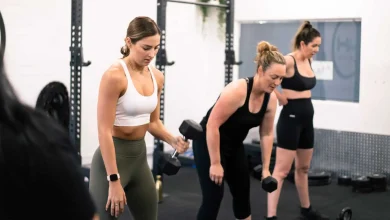
Hormonal health has moved from a niche clinical concern to a mainstream conversation in Singapore’s fitness community, and the shift is well-founded. The endocrine system governs almost every significant physiological process relevant to a gym member’s goals: muscle development, fat metabolism, recovery speed, energy availability, sleep quality, and mood regulation. What fewer people appreciate is how profoundly the training environment itself, not just the training programme, influences hormonal outcomes. Singapore’s leading fitness gym singapore environments are beginning to address this relationship deliberately, designing facilities and programming that support endocrine health as an explicit objective rather than a byproduct.
Why Training Environment Affects Hormonal Outcomes
The relationship between exercise and hormonal response is well-established. What is less commonly discussed is how the training environment mediates this relationship. Environmental factors including ambient temperature, lighting quality, acoustic environment, social dynamics, and session timing all influence the hormonal context within which training occurs.
Cortisol and the Stress Architecture of a Gym
Cortisol is the body’s primary stress response hormone. It is elevated acutely during training, which is a normal and necessary physiological response that supports energy mobilisation and focus during exercise. The problem occurs when the training environment itself creates chronic cortisol elevation independent of the training stimulus.
Overcrowded gyms with long equipment queues, poor climate control in Singapore’s humid conditions, aggressive or uncomfortable social environments, and high ambient noise levels all create background stressors that add to the cortisol burden of training rather than simply producing the controlled acute elevation that productive exercise generates.
A fitness gym in Singapore that manages these environmental stressors effectively, through adequate capacity management, quality air conditioning, respectful community culture, and thoughtful acoustic management, supports a hormonal environment where the cortisol response to training is productive rather than additive to already elevated baseline levels.
Testosterone and Resistance Training Environment
The acute testosterone response to resistance training is well-documented and is one of the primary hormonal mechanisms through which strength training produces both muscle development and metabolic benefits. This response is influenced by training variables including load, volume, rest period length, and exercise selection, but it is also sensitive to environmental factors including social context, competitive atmosphere, and training confidence.
Members who train in environments where they feel competent, supported, and appropriately challenged tend to demonstrate stronger anabolic hormonal responses to training than members who train in environments where they feel judged, intimidated, or unsupported. This is not a minor psychological nicety. It has direct physiological consequences for the effectiveness of resistance training as a hormonal health intervention.
Structured Programming for Hormonal Optimisation
Beyond environmental factors, the structure of a training programme has direct hormonal implications that Singapore’s most sophisticated fitness gyms are beginning to address explicitly.
Heavy Compound Lifting and Anabolic Hormone Response
The strongest acute hormonal response to resistance training is produced by multi-joint compound movements performed at significant loads with moderate to high volume and limited rest periods. Exercises including the squat, deadlift, Romanian deadlift, bench press, and weighted rowing movements produce substantially greater anabolic hormone elevation than machine-based isolation work.
Fitness gyms in Singapore that provide the infrastructure and coaching support for these compound movements, adequate barbell stations, coaching staff who can safely teach complex lifts, and a gym culture that normalises serious lifting, create the physical conditions for the hormonal benefits of resistance training to be fully realised.
Periodisation and Hormonal Rhythm
Hormonal health is not supported by constant maximal training intensity. The endocrine system operates in rhythms, and training programmes that allow for periods of reduced intensity and volume, deload weeks, and strategic recovery periods allow hormonal systems to restore baseline sensitivity and avoid the chronic suppression associated with overtraining.
The most progressive fitness gyms in Singapore incorporate hormonal health considerations into their programme design philosophy, building deload and recovery phases into the training calendar rather than treating constant high intensity as the default aspiration.
Female-Specific Hormonal Considerations
Female gym members in Singapore face hormonal considerations that standard gym programming typically ignores: the cyclical variation in training capacity, recovery speed, and appropriate training intensity across the menstrual cycle. The evidence base for menstrual cycle-based training periodisation has grown considerably and suggests that programming that accounts for hormonal phase can meaningfully improve both performance outcomes and overall wellbeing for female trainees.
Follicular phase, characterised by rising oestrogen levels, is associated with enhanced recovery speed, greater strength capacity, and better adaptation to high-volume training. Luteal phase, characterised by elevated progesterone and progesterone-related temperature elevation, is associated with reduced heat tolerance, greater perceived exertion at equivalent intensities, and slower recovery.
Fitness gyms in Singapore whose coaching staff understand and communicate these distinctions to their female members are providing a level of service that goes well beyond generic programme delivery and directly supports female members’ long-term hormonal health alongside their fitness goals.
True Fitness Singapore integrates hormonal health awareness into its coaching philosophy and programme design, providing members with the training environment and professional support that makes fitness a genuine contributor to endocrine wellbeing. True Fitness Singapore maintains the facility standards and coaching expertise that turn training into a sustainable, hormonally supportive practice for members at every stage of their fitness journey.
FAQs
Q. I have been training hard for months but feel exhausted, my sleep has deteriorated, and my motivation has dropped significantly. Could overtraining be affecting my hormones?
A. Yes, what you are describing is consistent with overreaching or overtraining syndrome, which is characterised by suppressed testosterone, elevated resting cortisol, disrupted sleep architecture, and reduced motivation. The appropriate response is a significant reduction in training volume and intensity for two to four weeks, prioritising sleep, and reassessing nutritional adequacy. Persistent symptoms warrant consultation with a sports medicine physician who can assess hormonal markers through blood testing.
Q. Does training at different times of day affect the hormonal response to exercise?
A. Yes, meaningfully. Testosterone is naturally highest in the morning for most people, which is why some research suggests that morning resistance training produces a stronger anabolic hormonal environment than evening training. However, the cortisol rhythm also peaks in the morning, which can create a more significant stress response to early training. Most people find that training at their naturally preferred time, which aligns with their energy and focus rhythms, produces better outcomes than forcing morning sessions against their biological preference.
Q. Can regular gym training help manage symptoms of hormonal imbalances like polycystic ovary syndrome?
A. Yes. Structured resistance training has strong evidence for improving insulin sensitivity, which is a primary driver of hormonal disruption in conditions like PCOS. Regular exercise also reduces androgen levels, improves menstrual cycle regularity, and supports weight management, all of which have direct beneficial effects on PCOS symptom severity. Exercise should be viewed as a meaningful adjunct to medical management rather than a replacement for appropriate clinical care.
Q. Is there an optimal training volume for hormonal health, or is more always better?
A. More is definitively not always better. Excessive training volume without adequate recovery suppresses anabolic hormones and elevates cortisol chronically, which is the opposite of the hormonal outcome that structured training should produce. The optimal volume is the highest amount that produces performance improvement while allowing full recovery between sessions. This varies significantly by individual, and the subjective signs of inadequate recovery, persistent fatigue, poor sleep, and declining performance, are reliable early indicators that volume has exceeded optimal levels.
Q. How does nutrition interact with the hormonal benefits of gym training?
A. Profoundly. Chronic caloric restriction, particularly when combined with high training volume, suppresses anabolic hormones and disrupts the hypothalamic-pituitary-gonadal axis in both men and women. Adequate protein intake supports anabolic hormone production and muscle protein synthesis. Dietary fat intake, particularly from quality sources, is necessary for steroid hormone production. Members who under-eat while training hard are undermining the hormonal benefits of their training investment.